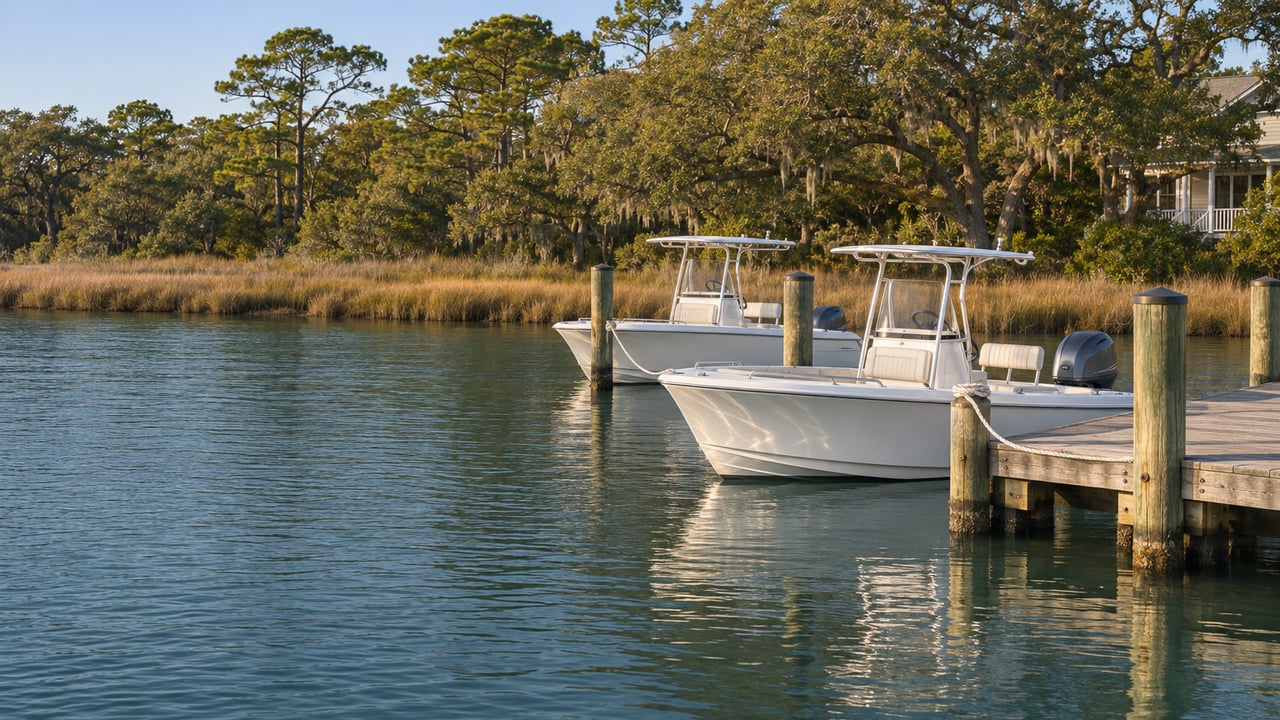
From the afternoon of Feb. 6 until July 1, nobody could keep a speckled trout anywhere in North Carolina's coastal waters. This November, the trout are moving back into the creeks around North Topsail Beach as the water cools, and the rules for keeping one have changed too. Fishing reports from the end of October describe a trout bite that keeps getting better. Under the rules now in force, though, a good share of the trout an angler catches this fall will go back in the water, and the fall's catch-and-keep fishing has shifted to Seaview Pier and the surf.
How the Trout Season Got Here
The North Carolina Division of Marine Fisheries closed all Coastal and Joint fishing waters to spotted seatrout harvest at 4 p.m. on Friday, Feb. 6, 2026, after widespread cold stuns. The Division's closure announcement said it had confirmed significant cold stun events in 10 waterbodies from Hyde County to Pender County. The closure was meant to let the fish that survived spawn before harvest reopened, and peak spawning runs from May through July.
Harvest reopened at 12:01 a.m. on July 1, 2026, under Proclamation FF-31-2026, signed June 25. The reopening put the recreational limits from Amendment 1 to the state's Spotted Seatrout Fishery Management Plan into effect. The Marine Fisheries Commission adopted that amendment at its March 2025 business meeting.
This is the first fall run under those limits since the closure. Here is how they compare with the 2024 rule, as described in a Division of Marine Fisheries update:
| Spotted seatrout, recreational | 2024 rule | Since July 1, 2026 |
|---|---|---|
| Size | 14-inch minimum | 14 to 20 inches, plus one fish over 26 inches |
| Daily bag | 4 per person | 3 per person |
| Days open | Seven days a week | Seven days a week |
The weekend closures in the amendment apply only to commercial fishing. From October through December, commercial harvest stops from Friday night through early Tuesday, but recreational anglers can keep trout any day of the week.
The Trout Between 20 and 26 Inches
The cutoff at 20 inches matters most this fall. Under the old rule, any trout 14 inches or longer could go in the cooler. Now every fish measuring just over 20 inches and up to 26 has to be released. Only one trout per angler over 26 inches may be kept.
So the trout you keep this year will be the middle-sized ones, and you will need a measuring board on every trip. The Division's recreational size and bag limits page lists the same 14 to 20 inch slot, the one-over-26 exception and three per day. It's marked effective November 1, 2026, and labeled as general information, so the proclamation is the binding text.
Red drum work the same way, and this fall's surf reports include big ones. The red drum slot is 18 to 27 inches, one fish per person per day, and no fish over 27 inches may be kept. Fisherman's Post's October Topsail and Sneads Ferry report described surf and pier anglers catching slot reds and over-slots. Each of those over-slot fish had to go back.
Where the Fall Trout Are Showing Up
The trout bite was slow to start. Early October reports described trout as sparse or not yet cooperating. By October 28, the Topsail Area Weekly Fishing Report Summary said speckled trout were "becoming increasingly important as cooler water settles into the creeks and sounds." It called red drum an excellent inshore target and covered water from Sneads Ferry and the New River to North Topsail Beach, Surf City, Topsail Beach and Hampstead.
The late-October summaries point to creek mouths, shell and oyster edges, and deeper current seams for trout. The October Fisherman's Post report put red drum along the Intracoastal Waterway, in creeks and at the inlets. Guides who contributed to it also mentioned docks, grass lines, bays, oyster structure and the New River. The September report said reds were already moving from the ocean into the river.
Most of this fall's local reporting comes from East Coast Sports, Native Son Guide Service, Spring Tide Guide Service, Speckled Specialist Charters, Carolina Flats Fishing, Plan 9 Charters and South End Adventures, all named contributors to the October report.
The Pier and the Surf Fill the Cooler
The limits are much more generous on the ocean side, and that's the clearest effect of this year's rules. Spanish mackerel have a 12-inch fork-length minimum and a limit of 15 per day. Bluefish have no minimum size and a limit of five per day. King mackerel must measure 24 inches fork length, with a limit of three per day. An angler who catches a limit of slot trout and one slot red has kept four inshore fish. A good afternoon on the pier can produce several times that many keepers.
Those fish have been around this fall. The October Fisherman's Post report described plenty of Spanish mackerel and bluefish in the surf and on the piers, along with more king activity from the piers. At Seaview Pier, anglers were catching Spanish, bluefish and mixed bottom fish. Down the island at Jolly Roger Pier, which sits at 803 Ocean Blvd. in Topsail Beach, the same report counted kings up to 32 pounds. The October 28 weekly summary mentioned an October 22 report of successful king fishing and a citation-sized Spanish mackerel from the Topsail Island area. Another local report found Spanish as shallow as 15 to 20 feet just outside the inlet.
Seaview Fishing Pier is at 124 Fishing Pier Ln. in North Topsail Beach, and its website says it's open 24/7. The pier house page lists $17 per person to fish with up to two poles, on a pass that expires at 6 a.m. It also lists $2 to walk the pier, $5 for beach access and $8 a day for a rod rental. Those prices are undated and the site doesn't give a fall closing date, so call 910-328-3172 before a late-season trip.
The Rest of the Fall Rules
Flounder are off the list for the rest of the year. Under Proclamation FF-27-2026, the 2026 recreational flounder season ran only from September 1 through September 14, with a 15-inch minimum and one fish per day. The current limits page says possessing any flounder is unlawful. A flounder that hits a trout rig in November has to be released.
Reporting is the other change coming up in December. Since December 1, 2025, anglers have had to report retained red drum, spotted seatrout, flounder, striped bass and weakfish. Electronic reports are due when the trip ends, and released fish don't need to be reported. The Division's mandatory harvest reporting page describes the change from verbal warnings to written warnings starting December 1, 2026.
Anglers also need a Coastal Recreational Fishing License to fish North Carolina's coastal waters.
For inlet trips, North Topsail Beach's town code limits beach driving to the designated New River Inlet Permissible Driving Area. The code requires four-wheel drive and an access pass there, and it prohibits oceanfront beach driving by sport fishermen. From October 1 through March 31, the driving hours are 7 a.m. to 5 p.m., compared with 6 a.m. to 7 p.m. in the warmer months. Under the code, current property owners use a valid hurricane re-entry pass, and nonresidents pay a daily, weekly, annual or early-bird fee.
The size limits, bag limits and driving rules above are summarized from the state and town sources linked in each paragraph. This post is general information, not legal advice, so please confirm the current rules with the Division of Marine Fisheries or the Town of North Topsail Beach before you go.
I'm Tiffany Housel. If you want to talk about Topsail Island, where to launch a boat or what the next season might bring, let's connect.